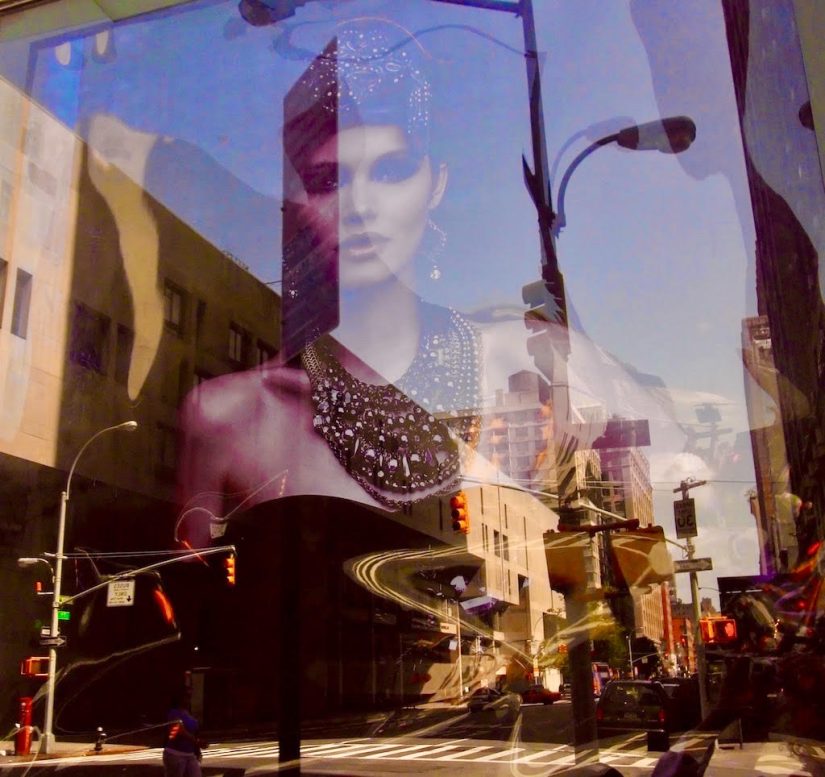
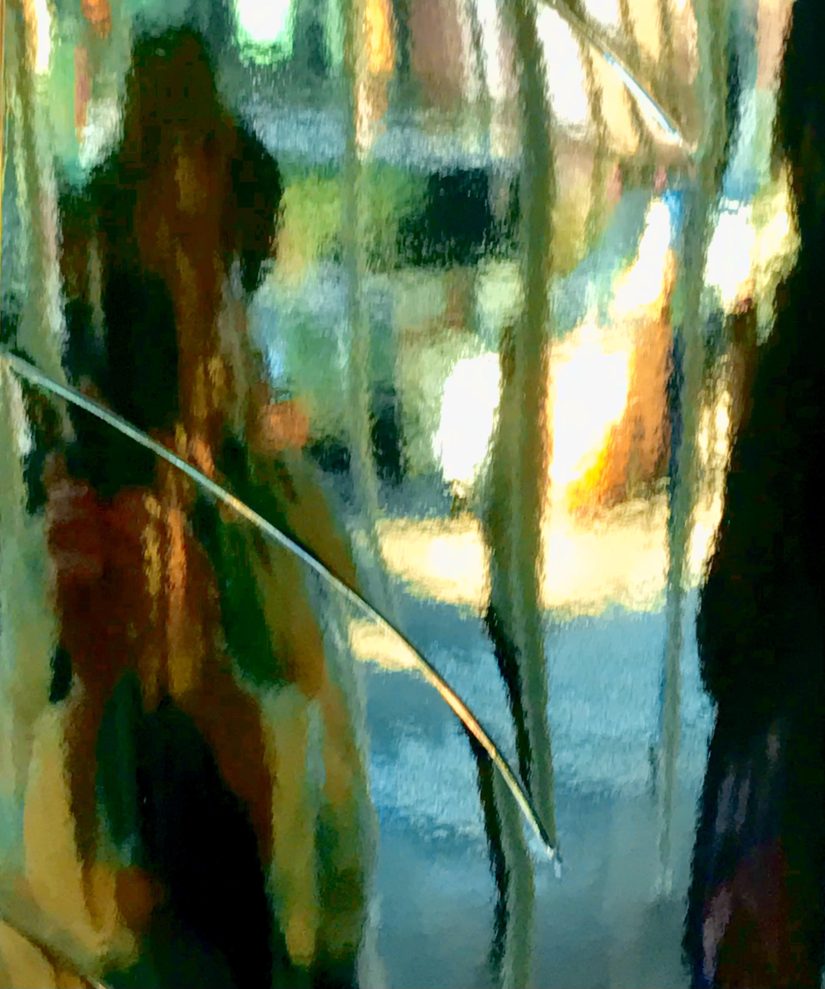
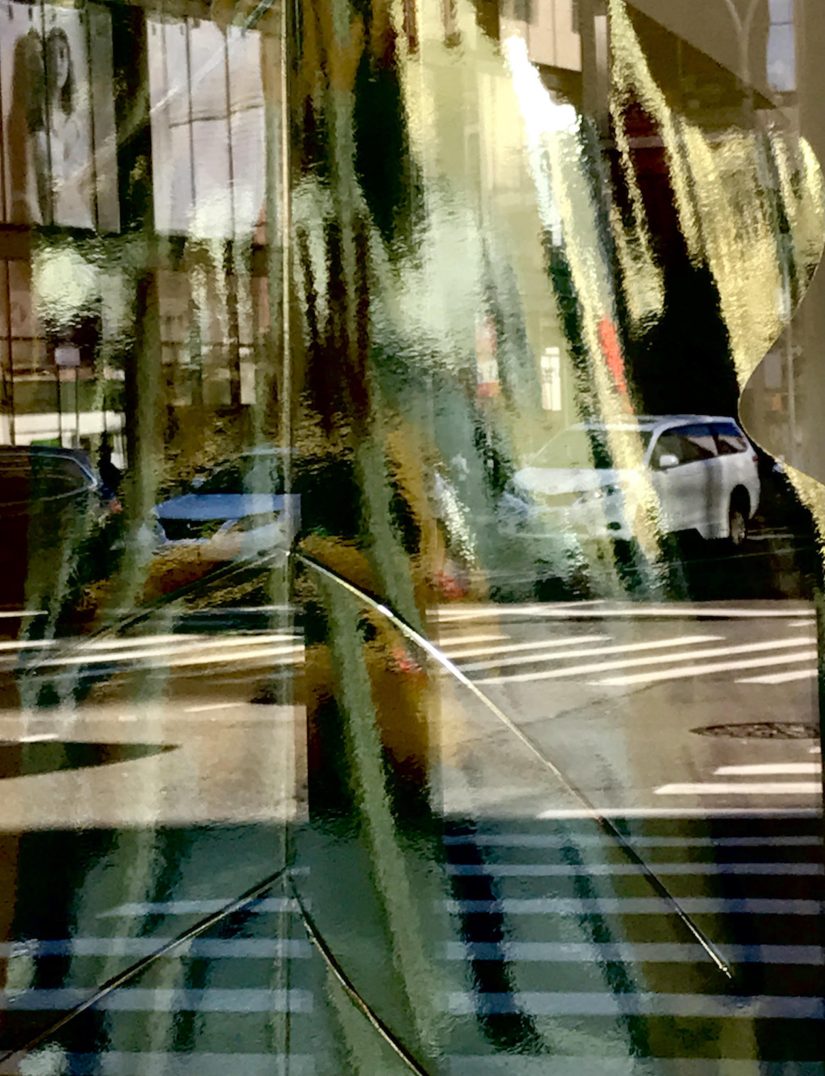
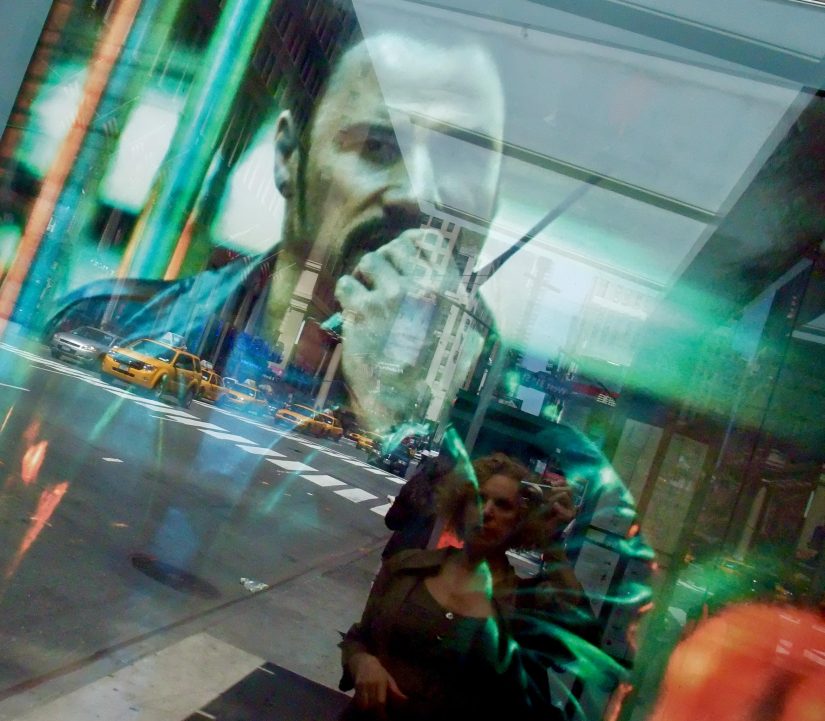
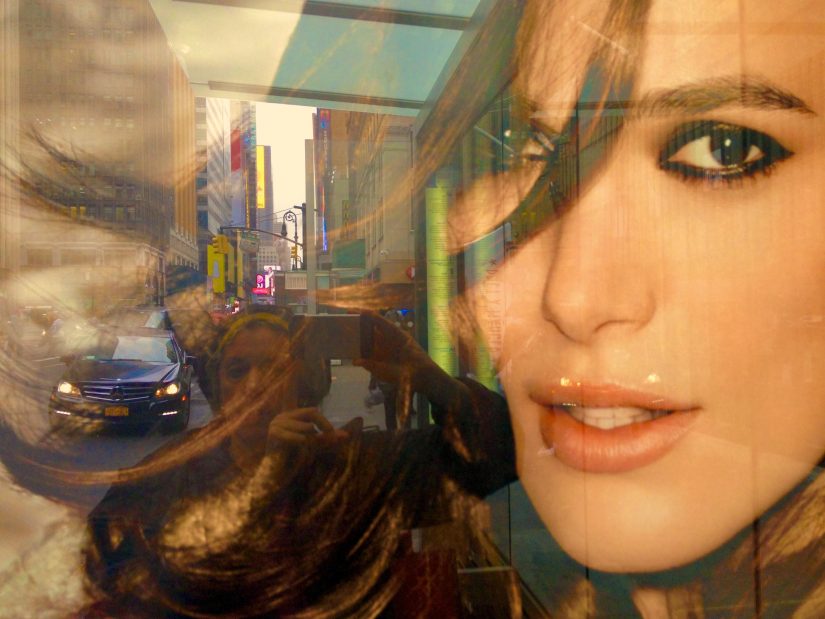

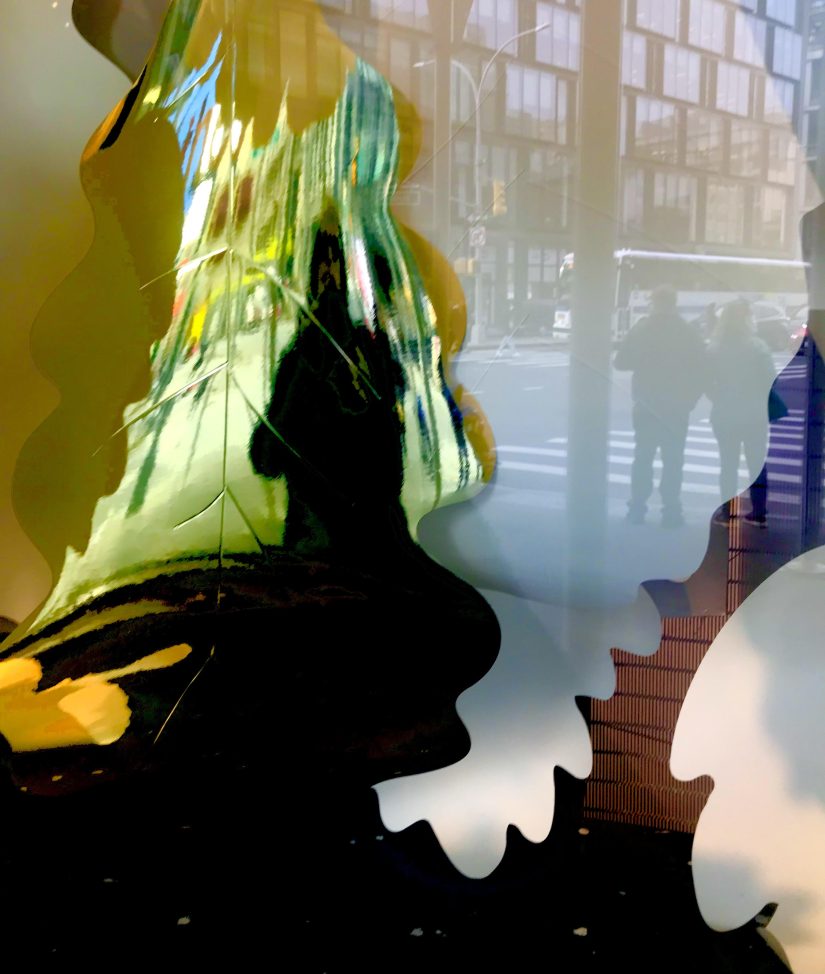
DOUBLE EXPOSED

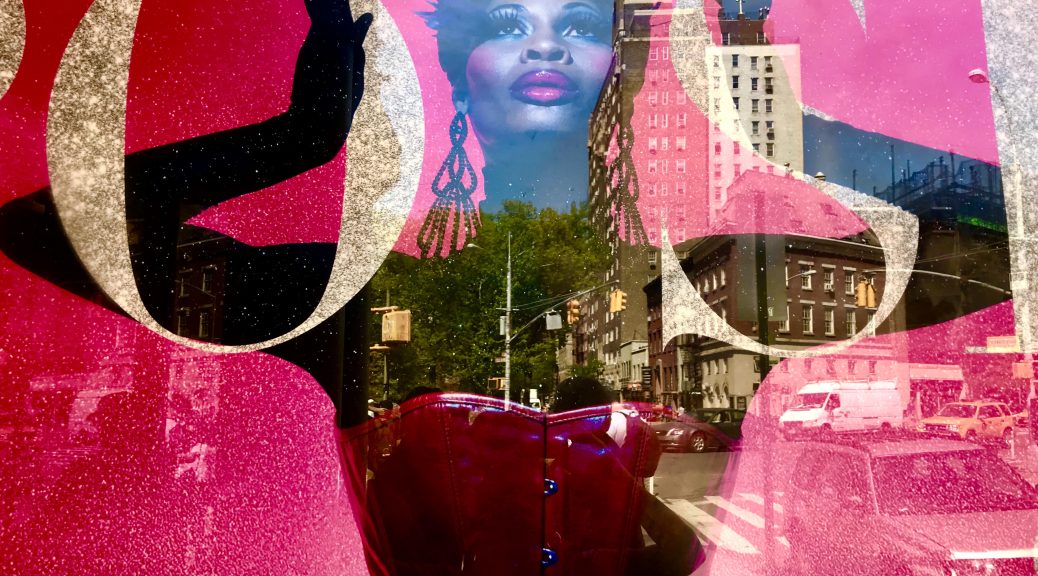
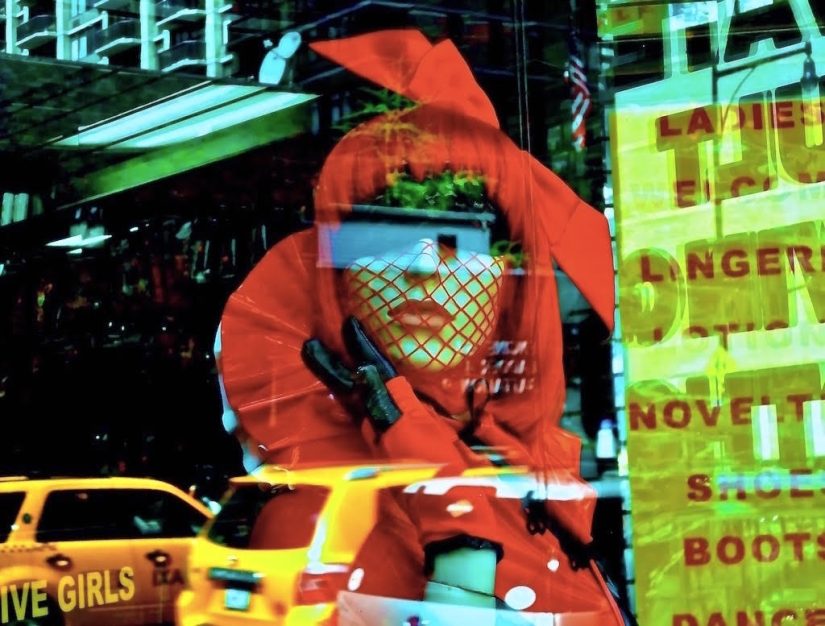
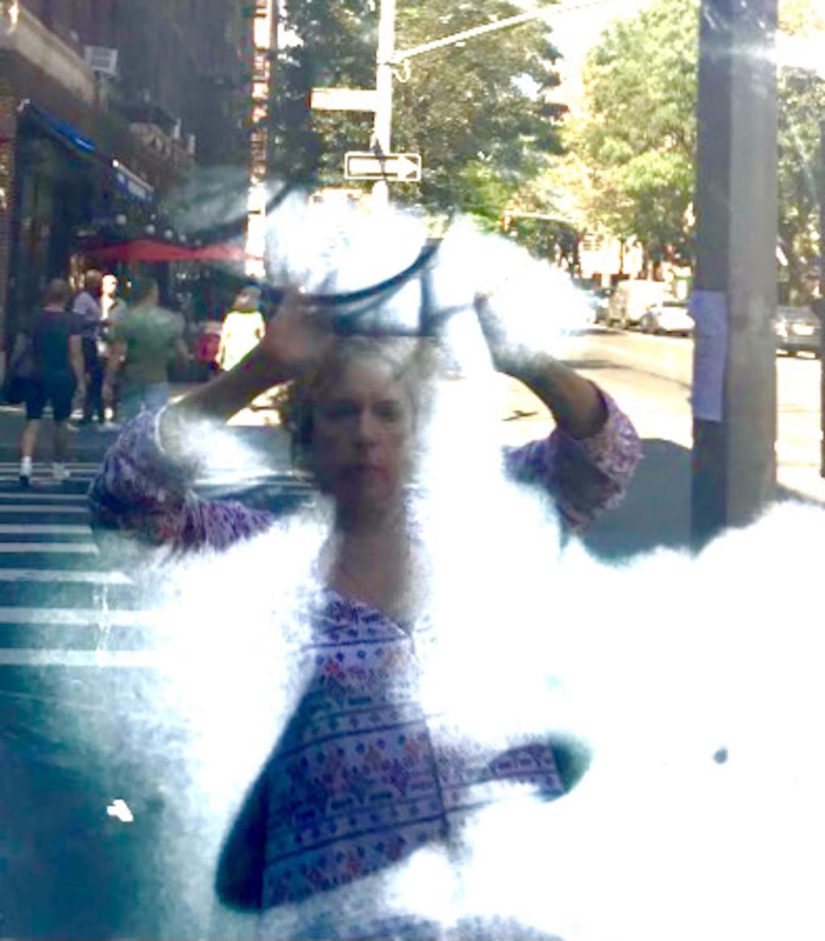
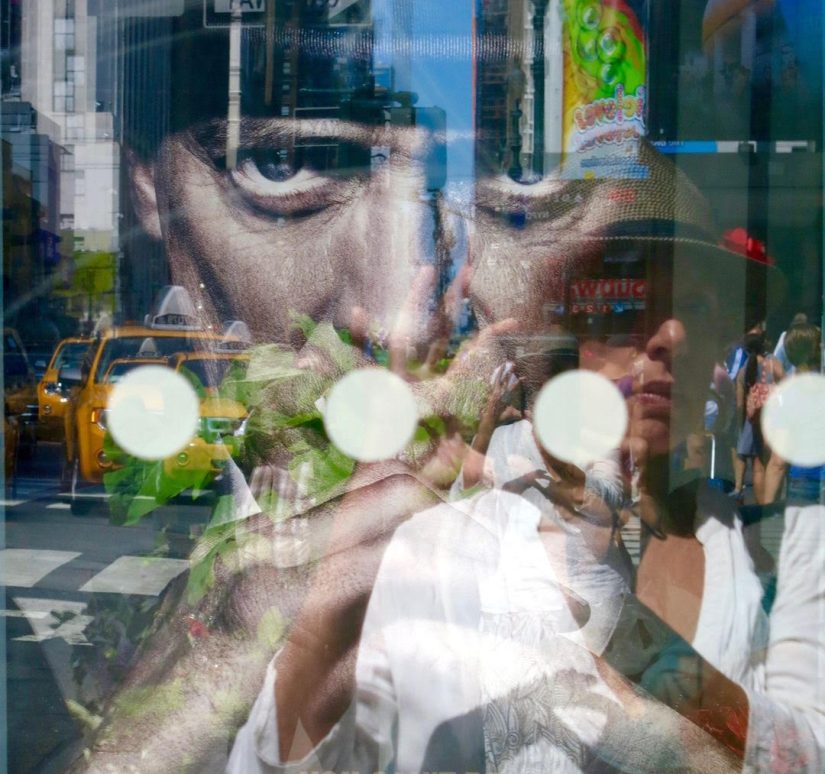
Diane Peterson and Gary Fudge have been collaborating with film based work for a wee while now. The examples are from their latest collaboration using 1950s Yashica medium format cameras running 120 film.

Gary shoots a roll of exposures in his native Scotland, before sending the roll across the Atlantic, to Diane in the States, who re-rolls the film and shoots her own exposures. Neither discuss the project leaving the results to chance and fun. In this digital world… Film lives on..!!

Gary Fudge is a founding member and co-administrator of aamora. A freelance photographer, he lives on Orkney, part of the Highlands and Islands of Scotland. He loves travel and photography. And photography. Oh, and travel. He specializes in moody imagery, stormy skies, decay and dark humour.

You will enjoy Gary’s previous aamora posts by clicking here and more of his work at Flatfoot Photography and at jpgmag.com .

Diane Peterson is a member of aamora. She is an American photographer living on the northern prairies of Idaho. She tells us: “However, my travels throughout the world have given me a perspective on my surroundings and have allowed me to “dream” when creating images I like to imagine are part of my reality. Off beat,sometimes quirky images emerge from my cameras. I like to explore alternative approaches to photography; much of the work I create is fueled by fragments of an imaginary existence. I use vintage, plastic and toy cameras as well as more modern slr’s and dslr’s. I develop all my own black and white film.”

To see more of Diane’s work:

http://www.dianepetersonphotography.1x.com

http://www.papermemories.wordpress.com

Dense Landscapes – by Alexis Gerard

2-6-2010 Trees and Hills

2-6-2010 (Trees and Hills)

2-6-2010 Tangle 550(2)

2-6-2010 (Tangle)

These images continue an exploration of spaces very rich in detail, which I began in a photo essay entitled “The Thicket”

*****
Alexis Gerard is a member of aamora.com. Alexis has been a passionate photographer since his twenties. He worked at Apple in the pioneering days of the Macintosh launch, then founded imaging think-tank Future Image in 1991. He founded and now chairs the 6Sight® Future of Imaging executive conference. He co-authored the book “Going Visual”, speaks widely on imaging technology, and is a member of the International Advisory Council of the George Eastman House. As a result of his business activities he had the opportunity to begin shooting digital in the early nineties and does so exclusively now. He prefers small cameras he can have with him at all times. Check out Alexis’ other posts on aamora here and see his other work by clicking here.

Huaqueo – by Claudia Luthi

1

Peru has a very rich precolumbian history, of which literally thousands of archeological and mortuary remains speak, especially along the narrow desert strip of the Pacific coast. Huaqueo means looting and comes from Huaca, which in Quechua means “sacred place”, though today any ancient ruin or cemetery is called Huaca. Most of the precolumbian cultures that flourished in the river valleys of the coast of Peru since 3000 B.C. have buried their dead in ‘everlasting’ tombs, often mummifying the corpses of the important and noble people and clothing them in extraordinary richly woven textiles, as well as wonderful jewelery made of gold, silver and copper, and giving them all kinds of ceremonial ceramics and pots full of corn and beans and peanuts and coca leafs for their long journey through the ‘valley of the death’. The extremely dry conditions of the desert have preserved bodies and objects in an astonishing way.

2

3

4

It is known that precolumbian tombs have been looted ever since the Spaniards arrived (some say, that it was already a custom during the Inca period). The fact is, that the people of every village in every valley of this vast country have turned to the huaqueo, whenever there was a drought or any other reason for their crops to fail. And, of course, there has been ever since an international mafia that buys all these objects, mostly incredibly cheap and sells them for exorbitant prices to private collectors, maybe even to museums. There are though always people who exclusively dedicate themselves to the huaqueo – the huaqueros. They are considered by law as criminals and are naturally people from the underworld, full of gruesome stories of encounters with the dead. Some of them die in prison, some of strange and aweful diseases.
But, while the traditional huaqueros are supersticious and careful, and work only during nights of full moon and dig with ordinary shovels, the modern huaqueros have no scruples. They have modern equipment and use bulldozers and work in full daylight when ever allowed. The archeological contexts are thus being totally destroyed.

5

6

7

Not that I am too interested in all this. I never liked the principle of mummifying the dead and maintaining necrophilic relations with the past. But an archeologist from Cambridge and friend of mine, who has studied a certain area of the lower Ica valley, has asked me to make a photographic registration of all the mortuary remains, before the whole context was destroyed. So, during 3 days I toured the region and visited over 20 sites in company of an ex huaquero – son of one of the most famous huaqueros in the region, who has accompanied his father since he was 7 years old and since 1986 is a carpenter by trade. What I found was most dramatic. The cemeteries of at least half a dozen precolumbian cultures, all of them along or on top of the arid hills on the north side of the valley, have been looted over and over again.

8

9

10

The first thing a huaquero is after, is gold and jewelry. Gold, as we all know, is a fever. So, in order to get it, they desperately excavate the mummies and tear them apart, often breaking valuable pottery and textiles in the way. Later, sometimes after many years, they, or other huaqueros come back to the same tombs and scan them for the previously discarded pieces of ceramics and textiles and other objects, depending on the dictation of the market. Of course, where bulldozers have been used, there is nothing but mountains of dust and bones. So this business seems never ending. And still today one can find intact tombs – the dream of every huaquero and archeologist in the country.

11

Claudia Lüthi is an amateur photographer who lives in Lima, Peru. She is a founding member of aamora. You can see Claudia’s previous aamora posts by clicking here. You can also find her in JPG Magazine and in el lente de la coneja .

Portraits of Dreams – produced by Michael Van der Tol

Aamora acknowledges and thanks:

Michael Van der Tol for conceiving and producing”Portrait of Dreams”, the aamora members and guests who made the portraits, and their subjects who so generously shared their time and their “dreams”:

Chandra, photographed by Diane Peterson
Sarah, photographed by Catharine Amato
Crystal, photographed by Aaron Schwartz
Alexis, photographed by John Linton
Stefan, and Ronnie, both photographed by Ronnie Ginnever
D.A.Windle, photographed by Marie Wilson
Sheralee, photographed by Alexis Gerard, and
Quinna, photographed by Maura Wolfson-Foster

The song “Brake” is by Canadian artist Melissa McClelland from her “Victoria Day” album.

(If you would prefer an alternative to viewing the slide show in the window above, try viewing it by clicking here.)

*****
Michael Van der Tol, a founding member of aamora, was born in Winnipeg, Manitoba, Canada in 1959 and currently lives in Stittsville, Ontario, Canada. He is primarily self-taught in photography and has been sharing what he sees for the last 10 years. His photographic work focuses on rural and urban landscapes. You can see more of Michael’s work here and enjoy his blog here.

Liqueur of the Heart – by Marie Wilson

Consider the word consider. Don’t break it up like they do dis-ease and co-relate. Con and sider don’t mean anything when it comes to the word consider.

window branches 006

Think about it. Sit. In some stillness and peace and consider the situation or the person or the things. Consider life, death, the price of eggs. Take your time. Don’t jump to conclusions. Do not rush consideration. Do not hasten deliberation.

window branches 013

Look at the facts, muse on the emotions, ask questions, talk to friends, speak to the wind. Wait. Ponder. Moodle. Free form thinking then focused inquiry.

window branches 017

Consider consideration – what is the objective of the thoughtful session? Toward this end choose, edit, select. Don’t censor, rather brainstorm. Then whittle. Then reconsider. Consider again. Distill.

window branches 022

Distill to a fine gold essence. Call it liqueur of the heart. And mind. Strike the aromatic balance. Call it Consideration. Take a long slow drink every now and then.

*****

Marie Wilson wishes you a happy Valentine’s Day. Marie was one of the first members of aamora. She is a writer, photographer, artist, actor, mother and muse. Originally from Vancouver, she lives in Toronto. Enjoy more of her photography at her photosite here and check out her writing, art and photography, as well as some cool links, on her new website

Lensbaby: After the Ecstacy

After the Ecstasy by Jim Robertson

After the Ecstasy by Jim Robertson

Jim Robertson is ecstatic about his image “After the Ecstasy”  being given an honorable mention in Lensbaby’s “Get Published” online competition. The contest chose 13 out of nearly 2000 images entered to be featured in a soon to be published book about the light-bending lens. Although not getting published, Jim’s many-legged image is featured here on page 5 of the Honorable Mention gallery. Congrats!

Jim Robertson is a founding member and co-administrator of aamora. He is following the photographic path in Lexington, KY, USA.  You can find his previous post on aamora here and more of his work at his photo site.

Catching the Bus – by Maura Wolfson-Foster

1/17/10. Woke up early. Drove my parents’ beige 2000 Lincoln Continental (our transportation these days) to Pepboy’s. They were short a mechanic and the wait was going to be 2 to 3 hours. I asked if it would be better to come in the next morning and they said, ‘Okay….around 8:30.”

A

On my way there I had noticed a painted bus but held myself back from taking a photo. When I came out, I was so happy to see the bus still parked there. I was trying to get my camera out of the bag when the bus started to pull away. All I could think about was “Aaron & Aamora…” I had to get those pix!

C

Jumped into the car and started following. Every time the bus stopped I would snap a photo. Stayed right behind for at least a mile until the bus pulled into the Avenues Shopping Mall and parked. I pulled up on the left side, leapt out and proceeded to photograph (even though there were cops there and the tag on the Lincoln is from 2007).

D

A few minutes later, the driver got out of the bus and asked, “May I help you?” I replied, “I’m just a crazy artist and this is such a cool bus…I…I followed you.” He said, “I know.” I asked if he minded me taking a few pictures. He said, “No”. I asked if he wanted to be in one. He said, “No”. I thanked him and took a few more photos.

E

So, these are the result of my quest. I think I should have been a photojournalist, because I’ll do almost anything to get the shot.

F

L

*****
Maura is an aamora member. She tells us: “I received my B.F.A. from Bennington College in Vermont. It was there I learned how to “see” and ‘listen” abstractly. Before that, I studied in NYC with Daniel Green, a well-known portrait artist…. total realism, oil paints, “live” models….also, posed as a painter’s model during that period. Owned “Embellishments” – a business I created from being inspired by a small Indian mosaic frame found in the gift shop of the Jacksonville Museum of Art. – for 12 years. Now, I work at Merrill Lynch, helping people with their 401k plans. Photography has become my salvation.” – You can see more of Maura’s photography at jpgmag.com

Introducing a new member of aamora: Rhio9

A21981RES

B2239263RES

C223818RES

D2220939RES

E2206126RES

F222750RES

“My story: Once upon a time I read a book. The end. The book was “Bird” (about Charlie Parker) & I was 12 years old. For the next 50 years I became a jazz musician. I first used a polaroid camera in 2003, next was Nikon film in 2004, I added a low-tech camera phone in 2005 and high-tech digitals in 2007. And now, here I am.”

We welcome Rhio9 as the newest member of aamora. You can see more of his wonderful work on his photo blog.

Alfa Romeo: the demise of a legend – by Catharine Amato

Remember one of the last scenes in “The Graduate” when Benjamin (Dustin Hoffman) drives desperately to Santa Barbara to interrupt his loved one’s wedding to another man? * Click here *

The iconic Alfa Romeo Spider was his means of transport, and this year the company, or what’s left of it, will be one hundred years old!

1.Main image

I live in the town of Arese, just outside Milan, and in the early 60s, Alfa opened its largest factory here.

2.only onelorry

Up until the 80s there was a work force of about 19,000 . Since then it’s been downhill all the way for poor Alfa, bought up by Fiat, with the gradual fading out of this legendary make of car.

3.stop for queueing

The area of nearly 2.000.000 square metres that was once a thriving complex is now up for grabs and battle now ensues between concerned citizens and political and financial interests.

4.entrance&logo

Who knows what we will find on our doorstep tomorrow! Meanwhile the area is a sad and dilapidated reminder of former glories.

5.rusty gate

Catharine is a founding member of aamora. She grew up in England but has been living in Italy since her marriage in 1969. She spends her winters near Milan and her summers in Tuscany. Check out her previous contribution to aamora – the very first one! -  by clicking here . You can also enjoy more of her wonderful work on jpgmag.com .

The Grave – by John Linton

(This is a sequel to John Linton’s “Secret Project” contribution, “The Lock”. You may want to check that out first by clicking here.)

IMG_4206 the grave

The boy placed the old man’s paper on the step and left. The next day when he came to deliver another he noticed the paper he had left the day before was gone and that an SUV with out of state plates was parked by the side of the road. Before he could leave the paper a stranger opened the door. The boy asked the stranger if the old man was around and the man said that he had died. The stranger then asked if the old man had owed the boy any money for the papers. The boy told him how much and the man paid him and told him the paper was no longer needed.

As the boy continued his deliveries he noticed the old man’s next door neighbor coming out to get her paper, something that had never happened before. Every time he needed to collect from her he would have to bang on her door many times before she would answer it. When the boy gave her the paper she asked what the man had said. The boy told her and she said, “He’s Skip’s son, George. He arrived yesterday with his family and turned that house upside down looking for money he said Skip had stashed away somewhere in the house. His wife said all he found was $2,000 in an envelope with a letter that said it was for the care of the dog. Of course, he took the dog to the Vets to have him put down and put the house up for sale. He kept the $2,000.”

The woman went on to say, “The police found Skip dead after I called yesterday complaining about the dog’s constant barking. When George arrived he told the police that no one in the family could afford to pay for the old man’s burial and wanted to know if the state or the VA would pay for it. Can you imagine? I’m so glad I don’t have a son like that. George sure was upset at not finding more money. Serves him right.” With that the boy continued on his way.

A month later the boy visited the old man’s grave. After all, it was the least he could do for the old man.

***

“John Linton is a floundering member of aamora. He lives in Rhode Island and Providence Plantations, the state with the biggest name and smallest size.”

Check out John’s other aamora posts here and see more of his work  by clicking here.

Return top
English flagItalian flagChinese (Simplified) flagGerman flag
French flagSpanish flagJapanese flagRussian flag
Dutch flagHindi flagCatalan flagIcelandic flag

Welcome to aamora!

This is aamora, a playland for photographers, writers and artists from all over the world. Your comments and participation are most welcome.